


SHELTER NEEDS
- Adult bottoms (shorts, skirts) in all sizes for spring/summer
- Adult shirts in all sizes for spring/summer
- Adult pajamas/loungewear in all sizes (sweatpants, track pants, yoga pants, leggings, etc.)
- Large storage totes
- Special request – an adult bicycle
COPING TIPS WHEN FEELING TRIGGERED
By Melanie Kozak, Jefferson County Victim Advocate
April is Sexual Assault Awareness Month. Although it is extremely important to bring awareness to such an important issue, the increase of stories and conversations about sexual violence can bring up painful memories and difficult emotions for survivors. We wanted to provide a list of coping skills survivors can utilize this month, and into the future, that may be helpful.

Control what you can. Remember, you cannot control other people but you can control how you are taking care of yourself. Prioritize self care in the form of trying to get a good night’s sleep, getting some kind of physical activity, eating well and taking time to relax. In periods of high stress this may look different. Sometimes it takes all of our energy just to get out of bed for a glass of water that day, sometimes we cannot get out of bed at all. Focus on what you CAN do, not what you cannot. Be kind to yourself.
Connect. Isolation may feel like the best choice at times, however this can lead to a decline in mental health. It’s important to make an effort to spend time with friends and loved ones. (Again, this does not mean you need to share your story with them). If you do want to connect through your experience, sometimes support groups can provide connections with those who can better relate to what you’re going through. (EPEC has several support group options available; see pages 11 and 12 for additional information on our virtual support group and HelpRoom.)
Share your experience. For some survivors of sexual violence sharing their experience may be helpful to themselves and for others. However, it’s important to understand that not everyone is going to be supportive. Sometimes, sharing your story with an unsupportive person can cause more damage than good. It is important to choose your supports with care. You can always call a sexual assault hotline or seeing a mental health professional if you do not want to share with friends or family. (EPEC’s helpline is live 24 hours a day, 7 days a week: 304. 263. 8292.)
- Don’t feel pressured to share. Many people have shared their stories in the wake of the #metoo movement. That does not mean that disclosing publicly or to anyone at all is the right choice for you. You don’t owe anyone your story. You do not have to feel guilty if you decide to keep your experience to yourself.
Seek help. If you are feeling depressed, using drugs or alcohol to cope, having trouble going to work or school, or find your distress is interfering with life in other ways, reach out to a mental health professional for help. EPEC provides free and confidential mental health services, please reach out to an advocate for more information. If you are ever feeling suicidal please call The National Suicide Prevention Lifeline 800-273-8255.
Identify your triggers. Triggers are reminders of your past trauma. This reminder can make you feel overwhelming sadness, anxiety, or panic and may also cause flashbacks. Knowing what your triggers are, or starting to identify them, can help you to understand what is happening to start using coping skills to calm down. Triggers are often anniversary dates and people and places associated with the assault.
Create a toolbox. Having a list of strategies that have helped you cope in the past can be very beneficial. Make a list of the things that restore you, and pull it out whenever you need some extra support. These strategies are different for everyone but some things to try are:
- Meditation
- Yoga
- Music
- Volunteering in your community
- Keep a Journal
- Reach out to loved ones
- Smash something, like a piece of fruit
- Breathing exercises
- Getting out into nature
- Find ways to laugh
- Take a bath
- Do something nice for yourself
Develop strategies for dealing with flashbacks. Even with helpful coping skills, it’s not always possible to prevent flashbacks. If you find the sexual assault is happening all over again and are starting to lose touch with the present, there are some things that can help:
- Reassure yourself that this is not reality, this is a flashback. The traumatic event is over and you survived. Sometimes it helps to tell this to yourself out loud, write it down, or play a recording of yourself. (This same strategy can help when you’re feeling guilt… it’s important to remind yourself it was not your fault).
- Here’s a simple script that can help: “I am feeling [panicked, frightened, overwhelmed, etc.] because I am remembering the rape/sexual assault, but as I look around I can see that the assault isn’t happening right now and I’m not actually in danger. I survived. I am ok. It was not my fault.”
- Ground yourself. Grounding techniques can help you direct your attention away from the flashback and back to your current environment. Some simple grounding techniques are holding ice in your hand, or smelling something strong like an orange. For more grounding techniques, click here,

HOW CAN YOU BE AN ALLY DURING SEXUAL ASSAULT AWARENESS MONTH?
- Believe survivors openly and vocally.
- Educate yourself on how assault affects people, how it’s reported, why people choose not to report, forensic exams, etc.
- Research resources in your area, refer to your local rape crisis center (That’s us! 😊).
- Challenge rape culture, jokes, and speech.
- Respect survivors’ decisions (even if you don’t agree; control was taken from them, they should reclaim it however they see fit).
- Actively listen, don’t dominate the conversation and/or disclosure.
- Wear teal! (it is not your story or your experience to share).
- Include trigger warnings in social media posts.
- Wear denim on April 28, 2021 for Denim Day (unsure of what Denim Day is? Give it a google!)
- Inquire about their boundaries and respect them.
- Donate / volunteer at your local rape crisis center (That’s us! 😊).
- Be mindful of your biases – it’s likely that you know someone affected who hasn’t shared their experience openly.
- Repeat all year-round.
WE’RE WORKING TOGETHER TO PROVIDE SHELTER AND YOU CAN HELP!
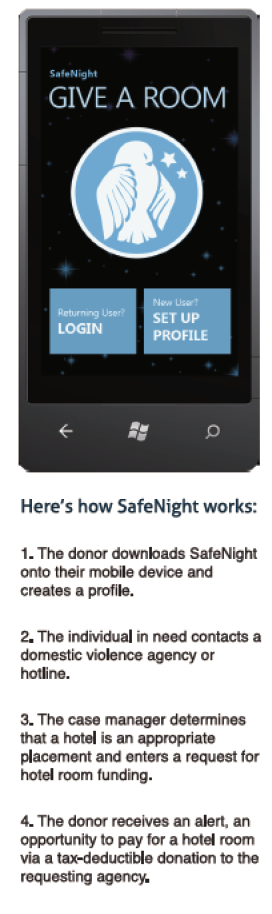
Eastern Panhandle Empowerment Center (EPEC) has joined the Safe Shelter Collaborative. We are working together with other agencies in our area to provide shelter or shelter referral services to survivors of domestic violence or human trafficking.
In the past, when our shelter was full and a survivor urgently needed a place to stay, finding available emergency shelter involved multiple phone calls to other agencies trying to find available beds. Worst of all, survivors were forced to relive their trauma with each retelling of their story. The Safe Shelter Collaborative stops this cycle.
The Safe Shelter Collaborative uses technology to improve access to urgently-needed shelter for a greater number of survivors. When our beds are full and we need to locate alternative shelter, we send an online request to the collaborative. Within minutes, we receive replies letting us know who might have space for our client.
Sometimes appropriate shelter space is not available. This is when we turn to our donors for help. When there isn’t available shelter and a hotel placement is appropriate for the survivor, we can send an alert to our individual donors who have downloaded the SafeNight mobile app, asking them to pay for a hotel stay. Users receive an alert on their phone and have an opportunity to make an immediate tax-deductible donation to help fund a hotel stay for someone who otherwise has no place to go to escape an abusive situation.
You can help. Anyone can give a room, providing a safe night for a person in need. Download the SafeNight app and select our agency to support.
SERVICE UPDATES AMID COVID-19
Are outreach offices open?
Yes, all outreach offices are open and operating within social distancing guidelines.
Are you taking donations?
Yes, please call ahead to make an appointment so we are able to stagger donation appointments. We are taking all donations at this time, but cleaning supplies, hand sanitizer, disinfectant wipes, and paper products are needed the most. Also see the shelter needs list at the top of the page.
What precautions are you taking in outreach offices?
We are adhering to social distancing guidelines of keeping 6 feet apart. Masks are required upon entry into any outreach office. We are also doing our best to schedule appointments as to not have an excess of people in each building at one time.
Are you providing peer support group services?
Yes, we are providing peer support groups, facilitated by two trained advocates, every other week on Thursdays from 5pm – 6:30pm via Zoom. Call one of the offices if you’re interested in the Zoom call information (see attached flyer for additional schedule). We are also providing anonymous support by way of our HelpRoom every Monday at 6pm and Wednesday at 2pm. The HelpRoom is an anonymous chat service that you can log into to talk to trained advocates/facilitators from EPEC and connect with other survivors. You are not required to receive other services or live in the panhandle service area to participate. Follow our Facebook page for any schedule changes.
Are advocates still providing court advocacy?
Yes, however each county’s courthouse is operating under slightly different parameters. Please call the appropriate outreach office and an advocate can assist you.
Are counseling appointments still available?
Yes. We are offering both in-person (socially distanced/masks required) and remote appointments (telehealth). Call the appropriate outreach office to schedule an appointment or intake.
Can you still provide immediate needs (food, water, clothing)?
Yes, call the appropriate outreach office or our Helpline 24 hours a day if you need assistance with immediate needs or safety planning.
Any questions you have that we didn’t address here? Give us a call!
UPCOMING
HelpRoom
Every Monday @ 6 pm and Wednesday @ 2 pm
HelpRoom is a group chat service that allows survivors of interpersonal violence to support one another in a safe online environment. This service is provided by the Rape, Abuse, & Incest National Network (RAINN) and EPEC. Completely confidential and free, each session is facilitated by a trained advocate. Join us Mondays at 6:00 PM and Wednesdays at 2:00 PM.
Virtual Peer Support Group
Every other Thursday @ 5 – 6:30 pm
EPEC is offering a virtual support group. They will be facilitated by EPEC’s trained advocates in the same format as Berkeley, Jefferson, and Morgan counties’ in-person groups. Virtual support groups will be provided in place of in-person groups until further notice. Call us for the link and password, as well as to answer any questions regarding how to use Zoom.
Our take on the “TEDtalk,” EPEC advocates and staff educate our community through tough conversations relating to the work we do.
The EPEC Echo: A Bi-Weekly Podcast
The EPEC Echo podcast to be released on a bi-weekly basis. The podcast will aim to unpack topics such as masculinity and oppression. Watch our socials for release information, details to come soon!
Virtual Screening and Discussion of “Audrie and Daisy”
We’re so excited to bring you our first ever virtual movie screening. We’ll be hosting “Audrie and Daisy” and having a really great discussion after. Mark your calendar and join us April 23rd!
We missed golfing with you last year but we are excited to ask you to Save the Date for this year’s golf tournament – July 23! Registration begins May 1st! All social distancing and mask requirements will be followed.